


Secret of Kells Magnetic Cover Ultra Ruled Notebook
- Sold By: Paperblanks
- Categories All Products, Notebook, Paperblanks Artists Series, Paperblanks Hardcover Notebooks, Paperblanks Manuscript Collection, Paperblanks Notebook
- Type: Notebook
-
Claude Monet (1840-1926) was among the group of artists who gave birth to the influential Impressionist art movement. In fact, the name of the movement comes from the title of Monet’s oil painting, Impression, soleil levant (Impression, Sunrise). When an unimpressed critic attended an 1874 art exhibition showcasing the subversive art of Monet and his friends, he coined the term and used it as a reference to Monet’s style of painting. Naturally, these rogue artists were more than happy to adopt it as the name of their own movement.
The term "Impressionism" reflects these artists' focus on the effect of light on colors and the fleeting nature of the images that surround us. Monet was particularly keen to capture and convey this on his canvas. After purchasing an estate in the town of Giverny, just outside Paris, Monet blended his art with his other passion: botany.
His new property boasted a magnificent garden, and Monet began painting in this natural setting. In the mid-19th century, at a time when few artists would dream of painting outside of a studio space, the "en plein air" style marked him as a rebel. Given the hundreds of works Monet composed in his Japanese garden in Giverny, it remains one of the most captured outdoor spaces in contemporary art.
The pond in his garden soon became the subject of a Monet painting, and so began the famous cycle of lily paintings that continued until his final days. A reproduction of one of these paintings provides the background for this cover, which also includes a handwritten letter addressed to Monet’s Impressionist colleague Berthe Morisot.
In his quest to convey the instantaneous mood of a scene, Monet used a technique where irregular brushstrokes diminish the outlines of objects. On this cover art, the deeper blue creates a dramatic contrast with the bright spots of the lilies. While most of the lily paintings exude serenity, here we see an example of a more vibrant, emotional interplay of color.
Today, many painted versions of Claude Monet's water lilies are among the most celebrated and reproduced nature studies.
-
Paper type Acid-free paper (fountain pen friendly) Back Cover Accordion inner pocket for storing notes Notebook Sizes/Page Count/
Paper Weight
Mini: 10x14cm / 176 pages / 85gsm
Midi: 13x18cm / 144 pages / 120gsm
Ultra: 18x23cm / 144 pages / 120gsm
Grande: 21x30cm / 128 pages / 120 gsm
Cover type Hardcover Embossed Notebook / Magnetic Closure Origin Canada -

Paperblanks is a Canadian manufacturer that produces high-quality notebooks that are not only attractive but also extremely well-structured, bound using traditional techniques; the bindings are not glued (a binding technique that is economical for the manufacturer but eventually leads to page loss) but are instead all sewn.
All Paperblanks notebooks are bound using two methods. They are either hand-sewn using 'Coptic' binding, which originated in 4th-century Egypt, or they use Smythe sewn, the most durable binding technique, which allows the notebook to open flat without page loss.
All Paperblanks notebooks use acid-free, archival-quality, high-opacity laid writing paper. Their notebooks also feature a ribbon bookmark and an inner pocket inside the back cover to store your notes.
Â
Similar Products
You might also like these products:
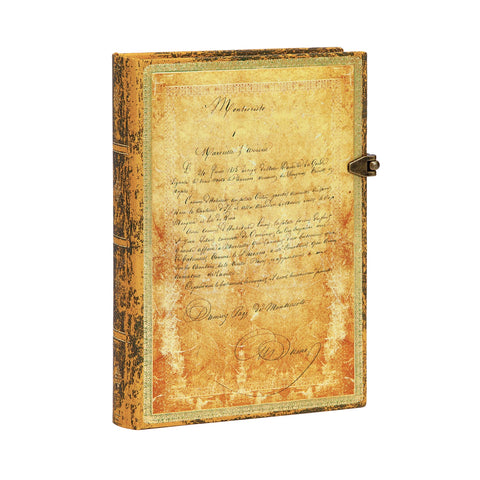
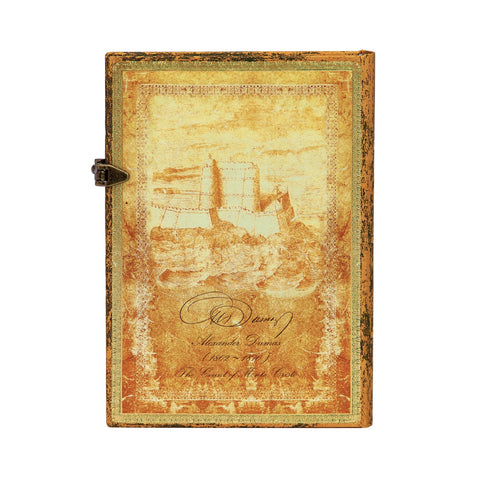
Alexandre Dumas 150th Anniversary Notebook
You might also like these products:
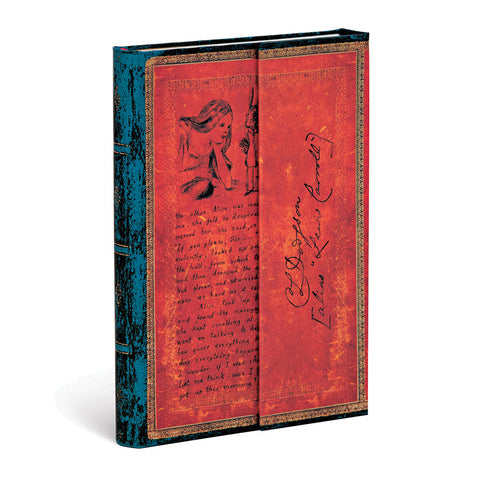
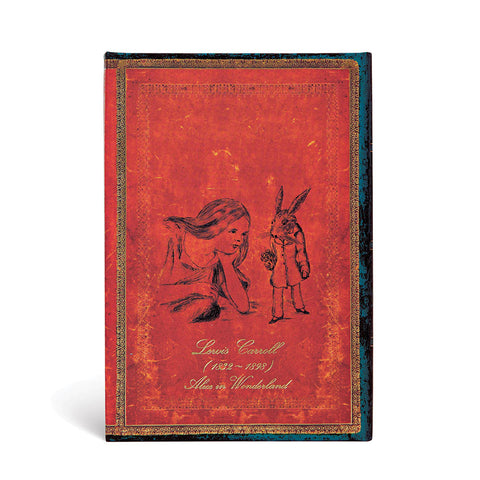
Alice in Wonderland Magnetic Cover Notebook
You might also like these products:
Anticipation Softcover Notebook
You might also like these products:
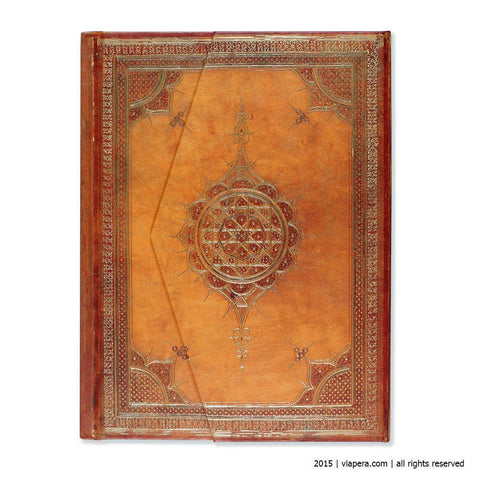
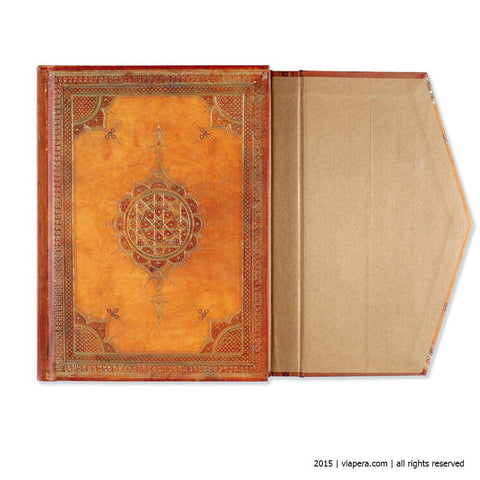
Arabesque Notebook


You might also like these products:
Asterix A New Journey A5 Exercise Notebook

You might also like these products:
Asterix A New Journey A6 Notebook


You might also like these products:
Asterix the Gaul Midi Notebook


You might also like these products:
Asterix The Gaul Mini Notebook


You might also like these products:
Asterix the Gaul Ultra Notebook


You might also like these products:
Asterix & Obelix Medium Notebook


You might also like these products:
Asterix & Obelix Mini Notebook


You might also like these products:
Asterix & Obelix Ultra Notebook


You might also like these products:
Astrid, Pippi Longstocking Midi Magnetic Closure Notebook


You might also like these products:
Astrid, Pippi Longstocking Ultra Magnetic Notebook
You might also like these products:
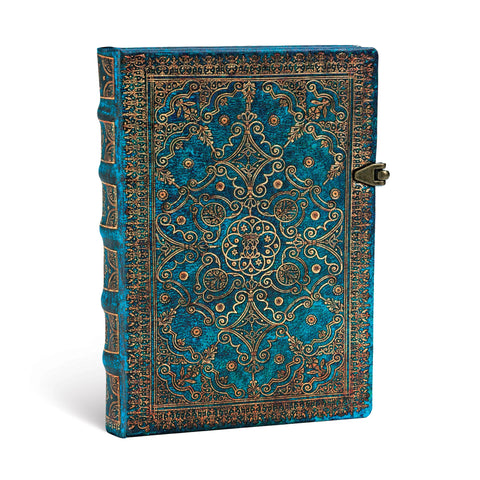
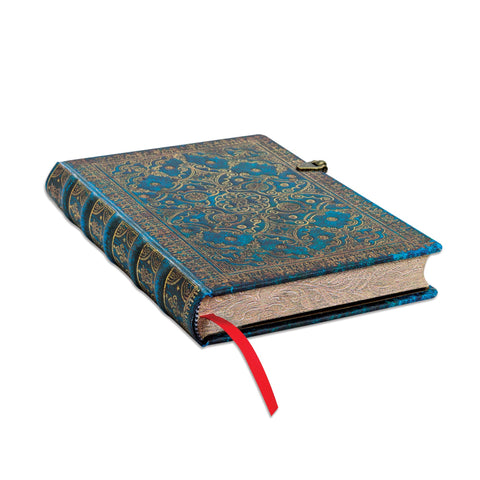
Azure Equinoxe Notebook


You might also like these products:
Balloon Festival Softcover Midi Unlined Notebook


You might also like these products:
Balloon Festival Softcover Mini Notebook


You might also like these products:
Balloon Festival Softcover Ultra Unlined Notebook
You might also like these products:
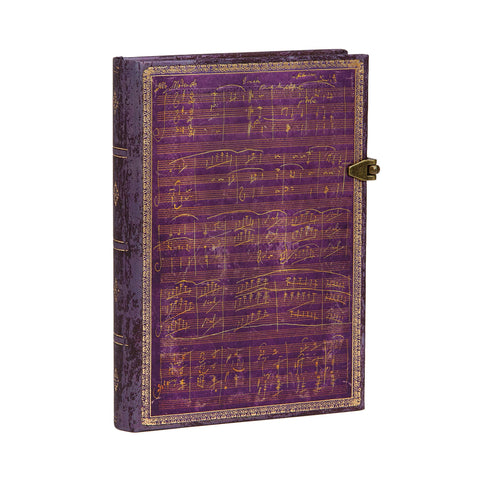
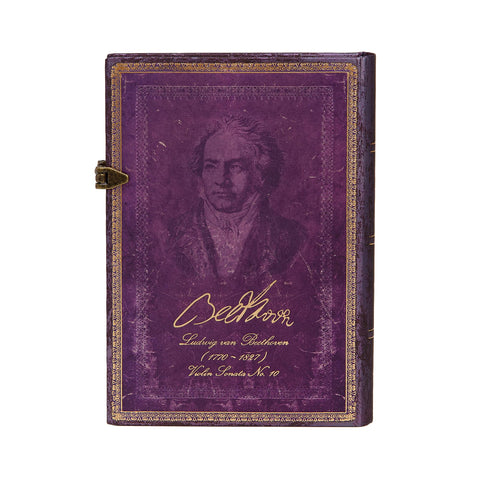
Beethoven's 250th Birthday Notebook
You might also like these products:
Beethoven's 250th Birthday Music Notebook
You might also like these products:
Bijou Notebook


You might also like these products:
Bindweed Fairy Softcover Midi Notebook


You might also like these products:
Bindweed Fairy Softcover Ultra Notebook
-
Claude Monet (1840-1926) was among the group of artists who gave birth to the influential Impressionist art movement. In fact, the name of the movement comes from the title of Monet’s oil painting, Impression, soleil levant (Impression, Sunrise). When an unimpressed critic attended an 1874 art exhibition showcasing the subversive art of Monet and his friends, he coined the term and used it as a reference to Monet’s style of painting. Naturally, these rogue artists were more than happy to adopt it as the name of their own movement.
The term "Impressionism" reflects these artists' focus on the effect of light on colors and the fleeting nature of the images that surround us. Monet was particularly keen to capture and convey this on his canvas. After purchasing an estate in the town of Giverny, just outside Paris, Monet blended his art with his other passion: botany.
His new property boasted a magnificent garden, and Monet began painting in this natural setting. In the mid-19th century, at a time when few artists would dream of painting outside of a studio space, the "en plein air" style marked him as a rebel. Given the hundreds of works Monet composed in his Japanese garden in Giverny, it remains one of the most captured outdoor spaces in contemporary art.
The pond in his garden soon became the subject of a Monet painting, and so began the famous cycle of lily paintings that continued until his final days. A reproduction of one of these paintings provides the background for this cover, which also includes a handwritten letter addressed to Monet’s Impressionist colleague Berthe Morisot.
In his quest to convey the instantaneous mood of a scene, Monet used a technique where irregular brushstrokes diminish the outlines of objects. On this cover art, the deeper blue creates a dramatic contrast with the bright spots of the lilies. While most of the lily paintings exude serenity, here we see an example of a more vibrant, emotional interplay of color.
Today, many painted versions of Claude Monet's water lilies are among the most celebrated and reproduced nature studies.
-
Paper type Acid-free paper (fountain pen friendly) Back Cover Accordion inner pocket for storing notes Notebook Sizes/Page Count/
Paper Weight
Mini: 10x14cm / 176 pages / 85gsm
Midi: 13x18cm / 144 pages / 120gsm
Ultra: 18x23cm / 144 pages / 120gsm
Grande: 21x30cm / 128 pages / 120 gsm
Cover type Hardcover Embossed Notebook / Magnetic Closure Origin Canada -
Paperblanks is a Canadian manufacturer that produces high-quality notebooks that are not only attractive but also extremely well-structured, bound using traditional techniques; the bindings are not glued (a binding technique that is economical for the manufacturer but eventually leads to page loss) but are instead all sewn.
All Paperblanks notebooks are bound using two methods. They are either hand-sewn using 'Coptic' binding, which originated in 4th-century Egypt, or they use Smythe sewn, the most durable binding technique, which allows the notebook to open flat without page loss.
All Paperblanks notebooks use acid-free, archival-quality, high-opacity laid writing paper. Their notebooks also feature a ribbon bookmark and an inner pocket inside the back cover to store your notes.
Â


