


-
Count Lev Nikolayevich Tolstoy (1828–1910), often referred to in English as Leo Tolstoy, was born into an aristocratic Russian family and became one of the greatest writers of all time. Known for his realistic fiction works such as War and Peace (1869) and Anna Karenina (1877), Tolstoy is also remembered as an influential advocate of pacifism and conscientious objection. His ideas on nonviolent resistance had a profound impact on 20th-century political figures such as Mahatma Gandhi and Martin Luther King, Jr.
As a young man during the Crimean War, Tolstoy was an officer in the Russian Army—an experience that deeply shaped his worldview. These wartime events influenced much of his writing and eventually led to a moral crisis in the 1870s. Taking action, he began to strictly adhere to a literal interpretation of Christian teachings, especially Jesus’s Sermon on the Mount, understanding the command to turn the other cheek as a "command of non-resistance to evil by force." The manuscript reproduced here reflects his ardent pacifism. Undated and written in Russian, it is a letter written to an anonymous conscientious objector who refused military service and sought Tolstoy's advice.
Tolstoy shared his spiritual awakening with the public in his 1882 book A Confession. Renouncing his aristocratic lifestyle, he dedicated the rest of his life to these nonviolent views. It is said that before succumbing to pneumonia, Tolstoy spent his final hours at the Astapovo train station preaching love and nonviolence to the passengers. After he died at the age of 82, thousands of people lined the streets to pay their respects during his funeral procession.
Throughout his life, Tolstoy received multiple Nobel Prize nominations, both for Literature (every year between 1902 and 1906) and for the Peace Prize in 1901, 1902 and 1910. That he never received the award remains a controversial subject in Nobel history. While we cannot rectify this oversight, we hope to honor Leo Tolstoy's literary and personal legacy with this Embellished Manuscript design.
-
Page type Acid-free paper (fountain pen friendly) Back cover Accordion interior pocket for storing notes Notebook Sizes/Page Count/
Paper Weight
Mini: 10x14cm / 176 pages / 85gsm
Midi: 13x18cm / 144 pages / 120gsm
Ultra: 18x23cm / 144 pages / 120gsm
Grande: 21x30cm / 128 pages / 120 gsm
Cover type Hardcover Embossed Notebook / Magnetic Closure Origin Canada -

Paperblanks is a Canadian manufacturer that produces quality notebooks that are not only attractive but also extremely well-structured and bound using traditional techniques; the bindings are not glued (a binding technique that is economical for the manufacturer but eventually leads to page loss) but instead are all sewn.
All Paperblanks notebooks are bound using two methods. They are either sewn by hand using 'Coptic' binding, which dates back to 4th-century Egypt, or using Smythe sewing, the most durable binding technique, which allows the notebook to lie flat without page loss.
All Paperblanks notebooks use acid-free, archival-quality, high-opacity laid writing paper. The notebooks also feature a ribbon page marker and an interior pocket on the inside of the back cover for storing your notes.
Â
Similar Products
You might also like these products:
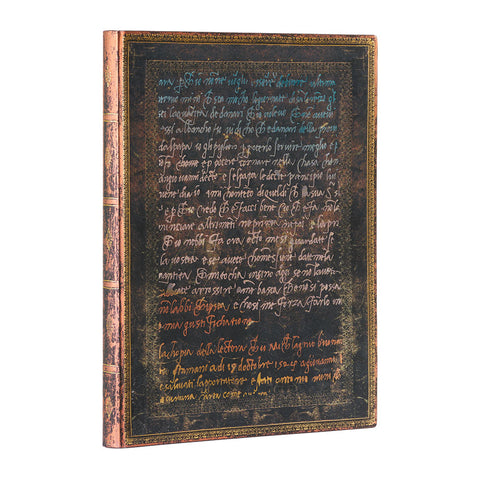
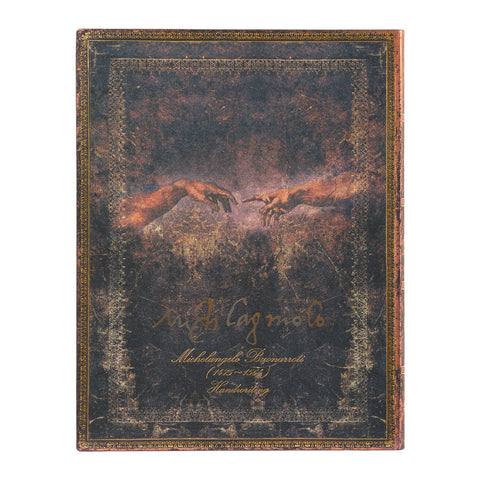
Michelangelo Softcover Notebook
You might also like these products:
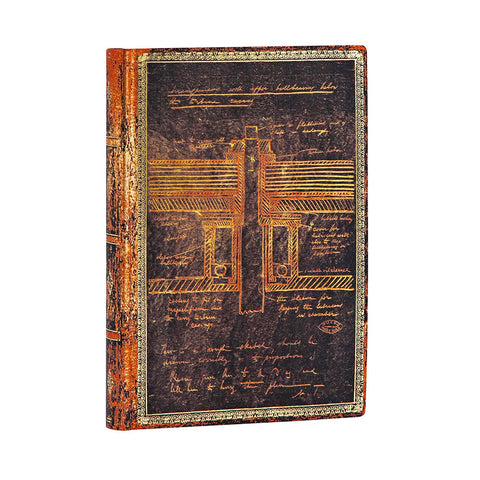
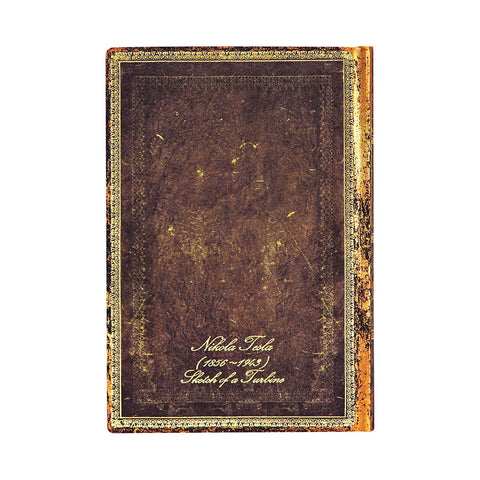
Tesla, Sketch of a Turbine Softcover Notebook


You might also like these products:
Charlie Chaplin Notebook
You might also like these products:
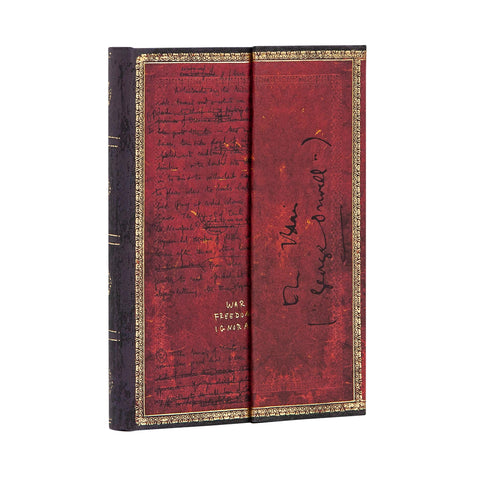
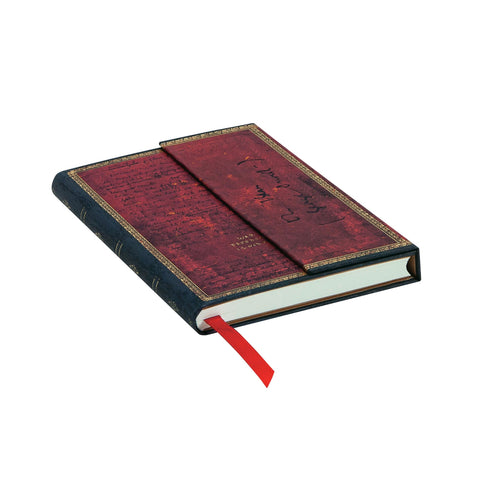
George Orwell 1984 Magnetic Closure Notebook
You might also like these products:
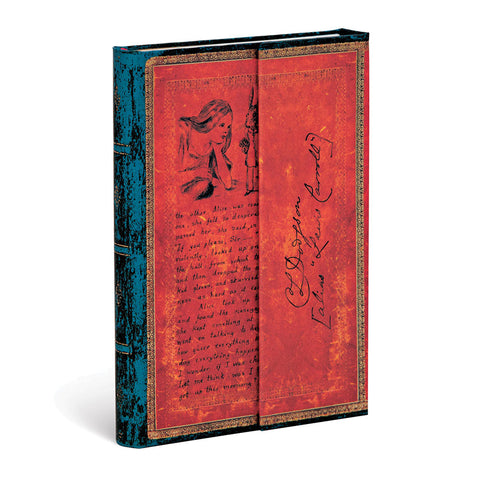
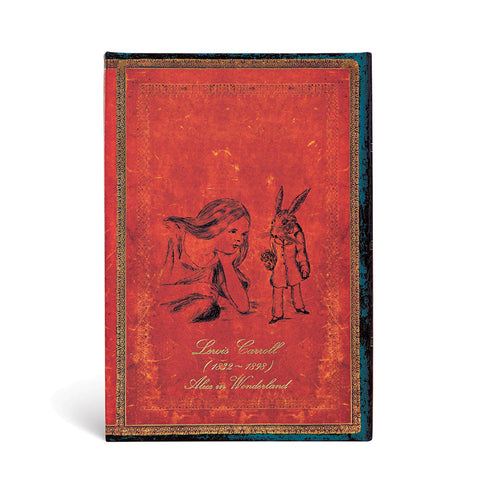
Alice in Wonderland Magnetic Cover Notebook


You might also like these products:
Monet Letter to Morisot Magnetic Cover Notebook


You might also like these products:
Oscar Wilde Magnetic Closure Notebook


You might also like these products:
Marie Curie Magnetic Cover Notebook


You might also like these products:
Frederick Douglass Magnetic Cover Notebook


You might also like these products:
M.S. Frankenstein Magnetic Closure Notebook


You might also like these products:
G.Verdi Carteggio Magnetic Cover Notebook


You might also like these products:
Emily Dickinson Magnetic Closure Notebook


You might also like these products:
Kahlil Gibran Magnetic Cover Notebook
You might also like these products:
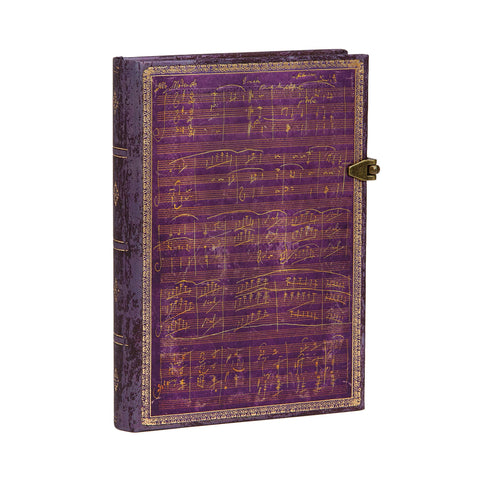
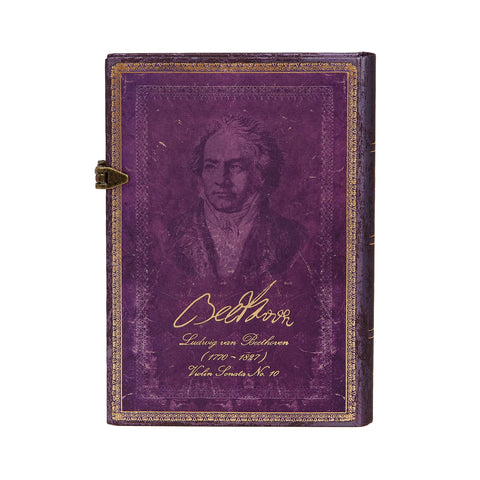
Beethoven's 250th Birthday Notebook
You might also like these products:
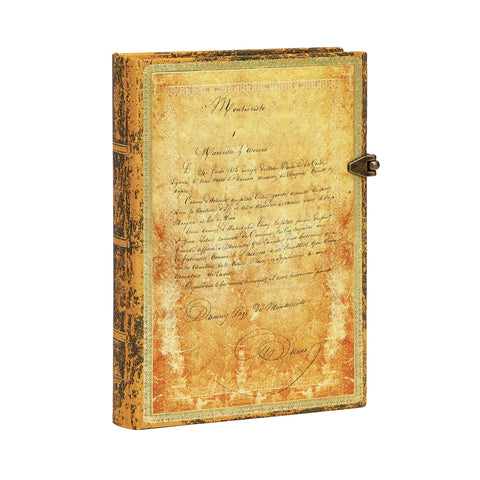
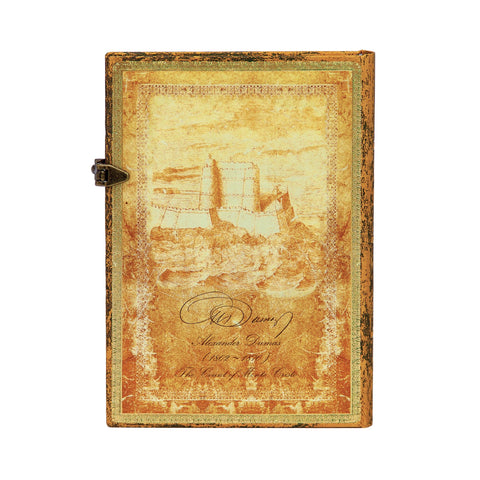
Alexandre Dumas 150th Anniversary Notebook


You might also like these products:
Wordsworth Magnetic Closure Notebook


You might also like these products:
H.G. Wells 75th Anniversary Notebook


You might also like these products:
Verne, Twenty Thousand Leagues Magnetic Notebook
You might also like these products:
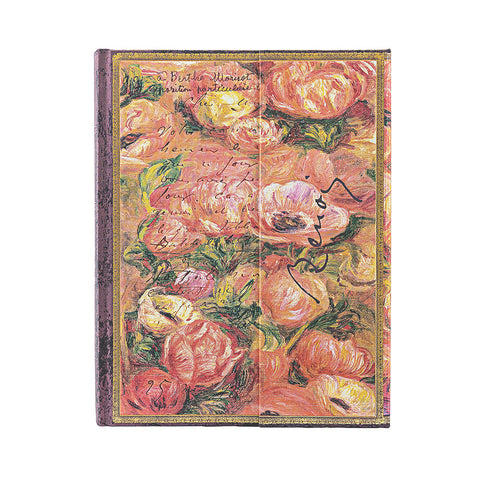
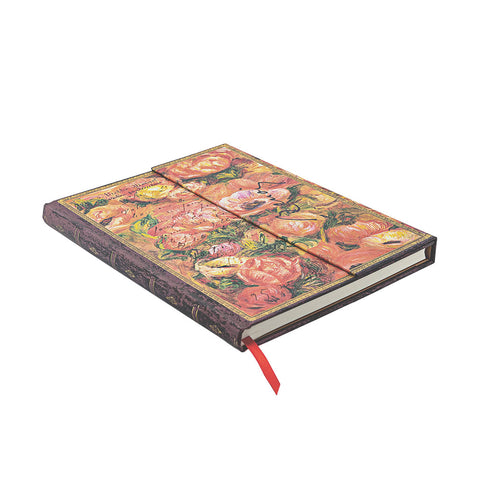
Renoir, Letter to Morisot Magnetic Closure Notebook
You might also like these products:
Beethoven's 250th Birthday Music Notebook


You might also like these products:
Jane Austen Persuasion Magnetic Cover Ultra Unlined Notebook


You might also like these products:
Jane Austen Persuasion Magnetic Closure Midi Lined Notebook


You might also like these products:
Secret of Kells Magnetic Cover Ultra Ruled Notebook
-
Count Lev Nikolayevich Tolstoy (1828–1910), often referred to in English as Leo Tolstoy, was born into an aristocratic Russian family and became one of the greatest writers of all time. Known for his realistic fiction works such as War and Peace (1869) and Anna Karenina (1877), Tolstoy is also remembered as an influential advocate of pacifism and conscientious objection. His ideas on nonviolent resistance had a profound impact on 20th-century political figures such as Mahatma Gandhi and Martin Luther King, Jr.
As a young man during the Crimean War, Tolstoy was an officer in the Russian Army—an experience that deeply shaped his worldview. These wartime events influenced much of his writing and eventually led to a moral crisis in the 1870s. Taking action, he began to strictly adhere to a literal interpretation of Christian teachings, especially Jesus’s Sermon on the Mount, understanding the command to turn the other cheek as a "command of non-resistance to evil by force." The manuscript reproduced here reflects his ardent pacifism. Undated and written in Russian, it is a letter written to an anonymous conscientious objector who refused military service and sought Tolstoy's advice.
Tolstoy shared his spiritual awakening with the public in his 1882 book A Confession. Renouncing his aristocratic lifestyle, he dedicated the rest of his life to these nonviolent views. It is said that before succumbing to pneumonia, Tolstoy spent his final hours at the Astapovo train station preaching love and nonviolence to the passengers. After he died at the age of 82, thousands of people lined the streets to pay their respects during his funeral procession.
Throughout his life, Tolstoy received multiple Nobel Prize nominations, both for Literature (every year between 1902 and 1906) and for the Peace Prize in 1901, 1902 and 1910. That he never received the award remains a controversial subject in Nobel history. While we cannot rectify this oversight, we hope to honor Leo Tolstoy's literary and personal legacy with this Embellished Manuscript design.
-
Page type Acid-free paper (fountain pen friendly) Back cover Accordion interior pocket for storing notes Notebook Sizes/Page Count/
Paper Weight
Mini: 10x14cm / 176 pages / 85gsm
Midi: 13x18cm / 144 pages / 120gsm
Ultra: 18x23cm / 144 pages / 120gsm
Grande: 21x30cm / 128 pages / 120 gsm
Cover type Hardcover Embossed Notebook / Magnetic Closure Origin Canada -
Paperblanks is a Canadian manufacturer that produces quality notebooks that are not only attractive but also extremely well-structured and bound using traditional techniques; the bindings are not glued (a binding technique that is economical for the manufacturer but eventually leads to page loss) but instead are all sewn.
All Paperblanks notebooks are bound using two methods. They are either sewn by hand using 'Coptic' binding, which dates back to 4th-century Egypt, or using Smythe sewing, the most durable binding technique, which allows the notebook to lie flat without page loss.
All Paperblanks notebooks use acid-free, archival-quality, high-opacity laid writing paper. The notebooks also feature a ribbon page marker and an interior pocket on the inside of the back cover for storing your notes.
Â


